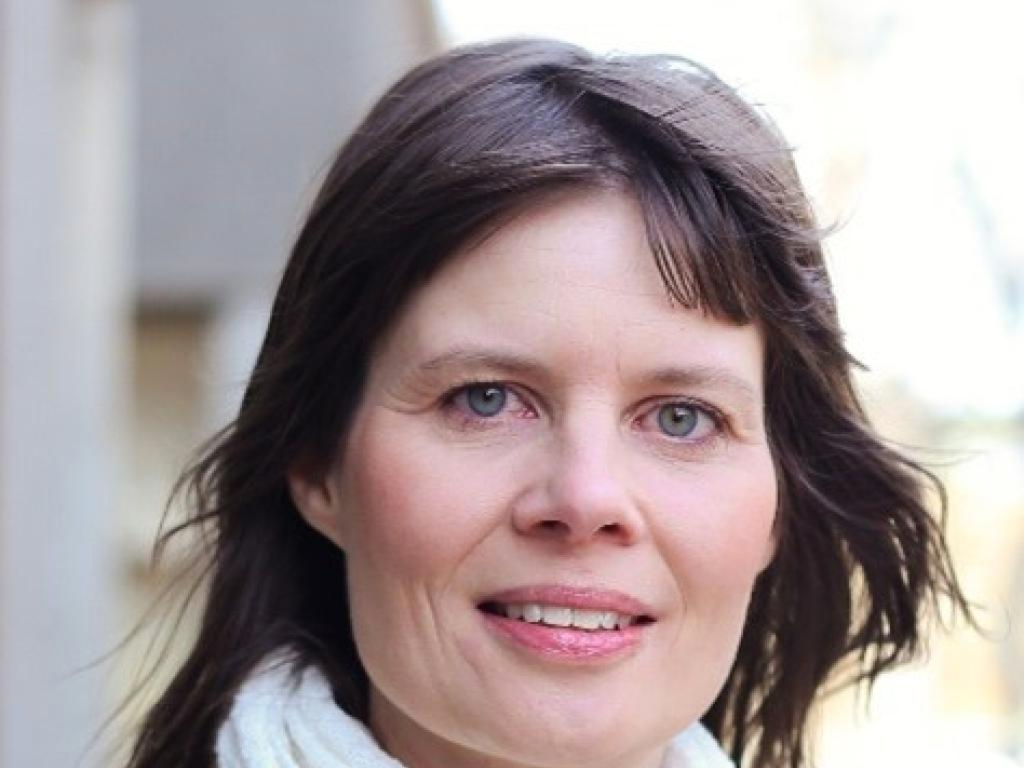
Professor in organisational psychology at the University of Cape Town and chairperson of the Living Wage South Africa Network, Ines Meyer.
For 2026, research from the Living Wage South Africa Network (LWSAN) sets the living wage at R20,000 per month – this is in sharp contrast to the minimum wage, which is R5,894.40 a month. While the minimum wage is compulsory under law, employers offer a living wage voluntarily in recognition of the equal worth of human life.
ESG Global sent three clever questions to Ines Meyer, a professor in organisational psychology at the University of Cape Town and chairperson of the Living Wage South Africa Network (LWSAN), to better understand whether there is a gender gap in the living wage, research changing her perspective and her motivation for chairing the LWSAN.
What prompted you personally to chair the Living Wage South Africa Network – was there a specific personal or professional situation that prompted you to take on the role?
I had been conducting research into what an appropriate methodology to determine a living wage amount in South Africa would be and what that amount would look like as part of an international network of academics since 2016. There were few individuals and organisations in South Africa at the time who were familiar with the living wage concept and interested in it. All working on living wages were working in isolation. In 2021, I reached out to those I knew in South Africa who had worked or were working on the topic or who I thought might have an interest and asked if it might be useful to set up a South African living wage network to coordinate our work.
Everyone was in support. After operating as an informal group for a while, it was felt that it would be beneficial to formalise the network into a legal entity for greater legitimacy. That’s when we registered the network as an NPO. It was suggested that I serve as the chairperson as I had initiated the network and coordinated the meetings up to then. Those attending the network meetings represent a wide spectrum from consultants, small to large and international businesses, consulting firms, NGOs, academics etc. Of course, business, labour and government pursue different interests, and so another argument was that as an academic it would be easier to adopt a more “neutral” stance.
Does LWSAN’s data show the living wage gap hitting women harder, and does that change how you’d pitch this to employers?
This is a really interesting question! Our data allows us to analyse if there is a gender gap in what individuals currently earn and the living wage amount, but we have not yet done so. It wouldn’t change how we would pitch it to employers – as the living wage should apply to everyone.
What’s something your research has changed your mind about since you started this work?
As a person I have always been somewhat fairness-“obsessed”. From when I was a child I have had a strong visceral reaction when I felt myself or someone else was treated unfairly. That’s maybe what attracted me to the research in the first place. It thus hasn’t changed my mind per se, but it’s made me more aware: If I advocate for paid-work to enable people a decent life, I need to do so myself. I thus deliberately pay people in my employ no less than a living wage, and also base tip amounts for delivery and e-hailing drivers, for example, on the living wage amount.
Something I had not realised before is that there are actually many employers in South Africa who genuinely want to enable their employees to have a decent life, including by paying them adequately.
 Subscribe to ESG Global newsletter