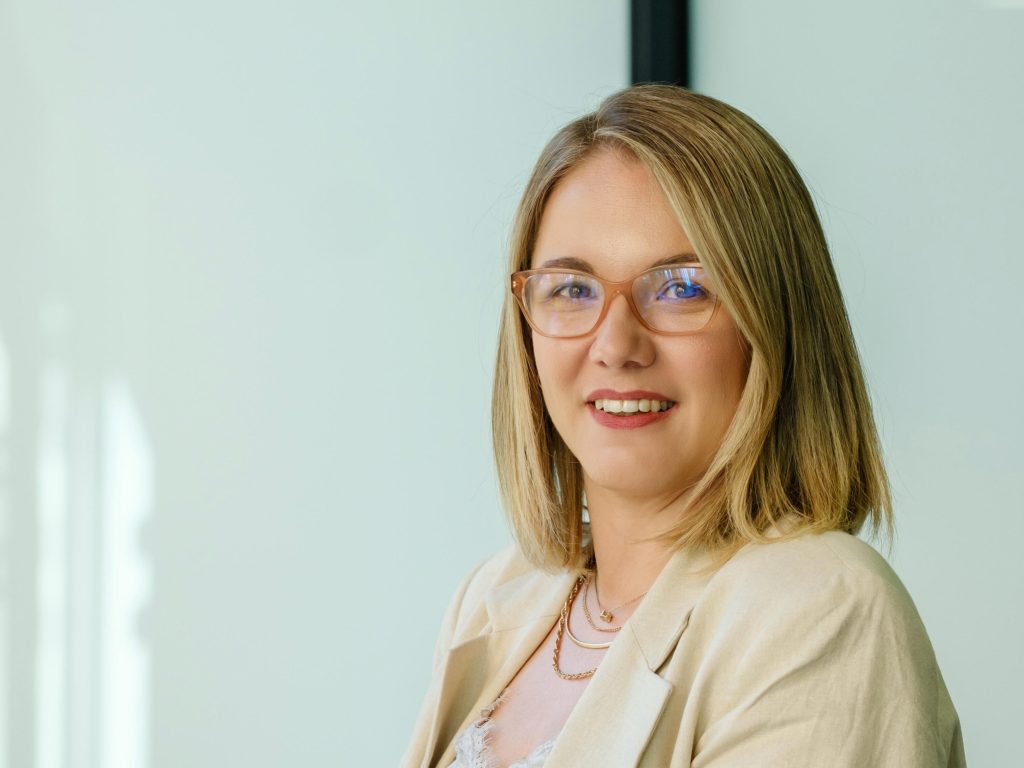
University of Pretoria Professor Roula Inglesi-Lotz.
The Handbook on Energy Transitions in Africa, the first publication of its kind, examines the policy, economic and social forces shaping the continent’s energy transitions. It draws on 35 contributors from 16 African countries.
ESG Global put three clever questions to its editor, University of Pretoria Professor Roula Inglesi-Lotz, on the book’s blind spots, the myths that distort how Africa’s energy story is told, and the everyday challenge of living sustainably.
The Handbook represents 16 of Africa’s 54 countries. Where are the blind spots, and what would a sequel cover?
Sixteen countries is a starting point, not the full picture, and that is exactly the point of the book: there is no single African energy transition.
The biggest blind spot is countries affected by conflict and fragility. There, energy looks completely different: infrastructure is damaged or absent, institutions are weak, and households rely on whatever is available, often diesel generators, charcoal or humanitarian supply.
Words like “transition” and “net zero” mean something very different when the priority is simply restoring basic access and security.
A sequel (which really I haven’t even thought of…) would focus on these contexts. It would also go deeper into issues that cut across borders: regional power pools, critical minerals and who benefits from them, the informal energy economy, and how households and communities actually experience the transition.
Which energy myth about the continent do you most want to debunk?
The myth that there is one “African energy story”. Africa is often described as a single place with a single problem: a continent without electricity, or the next frontier for renewables, or a source of critical minerals. Each of these is true somewhere; none is true everywhere.
Fifty-four countries start from very different energy systems, institutions and development needs. When the world treats Africa as one block, it offers one-size-fits-all solutions that rarely fit. Understanding that diversity is the first step towards a transition that is both effective and just.
What is the most “unsustainable” thing you still do, and have you made peace with it?
Driving almost everywhere. In Pretoria, safe and reliable public transport is not yet a real option for most of us, so the car is a daily necessity. It is a good reminder that individual choices are shaped by systems. The transition needs infrastructure that makes the sustainable choice the easy one.
More broadly, probably the same as most people: knowing more than I act on. As an energy economist I understand the trade-offs better than most, and I still make imperfect choices. I have made peace with being imperfect, but not with being complacent.
About The Author

 Subscribe to ESG Global newsletter