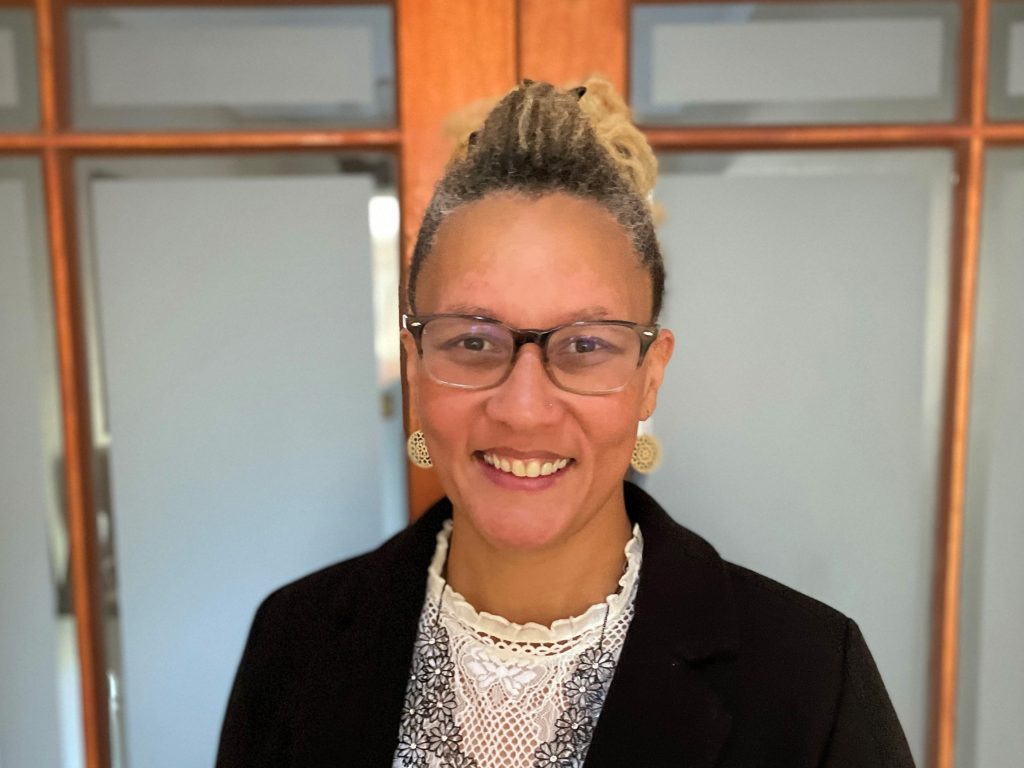
uMngeni-uThukela Water process engineer; Standard Bank's Top Woman of the Year in STEM for 2025: NED of the Water Research Commission and the Water Institute of South Africa, Megan Schalkwyk.
“Our water crisis didn’t begin when the dams started drying up.” This is the clear view of Megan Schalkwyk, process engineer at uMngeni-uThukela Water and Standard Bank’s Top Woman of the Year in STEM for 2025.
Megan, who also holds NED roles at the Water Research Commission and the Water Institute of South Africa, recently responded to ESG Global’s three clever questions about South Africa’s water crisis, mentorship and her legacy.
When do you believe South Africa’s water crisis began – and why?
I don’t believe that our water crisis began when the dams started drying up. For me it began when we stopped investing in maintenance, renewals and long term management of infrastructure. As a nation, we invest in building infrastructure but can only realise its value when it is operated and maintained effectively throughout its lifetime. The consequences of neglect are clearly visible with the increase in non-revenue water (water lost to leaks, theft and metering errors) and the pollution from dilapidated wastewater works.
In my experience, we struggle to turn good plans and strategies into sustained implementation. Long-term water security requires consistency in developing skills, securing funding and accountability, despite changing political climates and administrative cycles. Having a strategy is only the beginning and to improve water resilience all of us need to hold ourselves accountable.
Finally, I believe that we are too cautious when it comes to adopting innovations. The changing context of water requires that we change technologies, systems and approaches to water resources, treatment and management. Water reuse, digital asset management, non-sewered sanitation and other systems should become part of our mainstream water-security toolbox. We have always had challenges, climate change means that we have less room for error and it should be a catalyst for us doing things innovatively. As a sector we need to move from being reactive to proactive and become better stewards of our water resource.
Who has been your most memorable mentor?
I have been incredibly fortunate to have consistently had good mentors throughout my life and career.
Two who stand out have shaped different parts of who I am. My grandmother (a social worker) taught me the importance of people skills. She taught me to be kind, to treat everyone with respect and to never apologise for who I am. Those lessons have stayed with me throughout my career and have shaped the way I lead and work with others.
My previous boss was gruff, demanding and seemed to always expect more from me than he did from others. Eventually I asked him why he was always “picking on me” and his response changed my perspective. He said that a person can’t reach their potential unless they’re uncomfortable. He was always there with advice and guidance, but never the solution. He made me think, challenged me to trust my own judgement and ultimately helped me to believe in myself, as an engineer and a leader.
I realise that both mentors taught me something fundamental: leadership is about how you bring people with you and how you challenge them to become more than they thought possible.
What’s the one project or piece of infrastructure you’d most want to lead during your career?
I have been fortunate to participate in high-impact projects that align closely with my passion for sustainability, water reuse and the circular economy. Now, it is not about leading projects, but about what I want my work to achieve.
I want to contribute to a South Africa that thinks differently about water, where every drop is valued. I want to be a part of projects that don’t just solve today’s problems but change the way we think about water for generations to come.
I want to help develop a generation of young water professionals who are not only competent engineers, but technocrats who understand the bigger picture, can influence policy and make sound decisions in the national best interest.
Water security is not simply an engineering problem; it is fundamental to the future of our country and needs to be prioritised.
 Subscribe to ESG Global newsletter