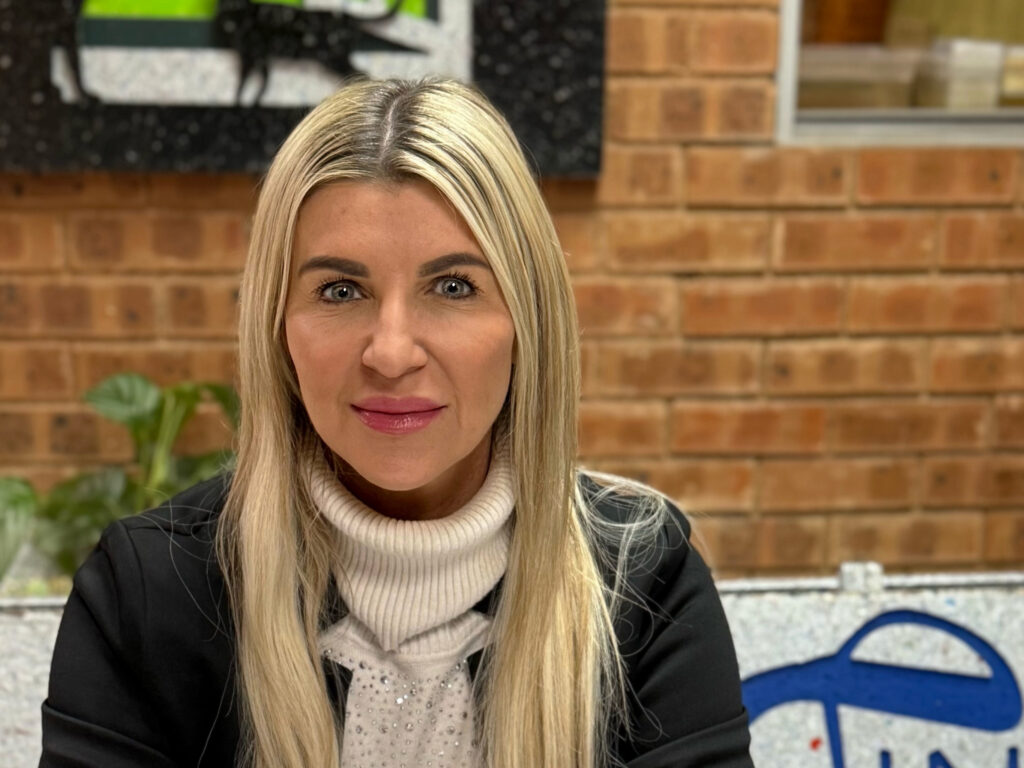
CEO of Infinite Industries, Maggie Infante.
South Africa generates around 107.7 million tonnes of waste annually, with 65% of general waste being landfilled, according to 2022 data from the department of Forestry. Fisheries and the Environment.
The winner of the 2025 Seifsa Environmental Stewardship award, Infinite Industries’ CEO Maggie Infante is actively alleviating the pressure on landfills, by diverting an average of 2.5 tonnes of waste material per day – and recycled almost 500 tonnes of waste last year.
ESG Global asked Maggie three clever questions about her leadership style, personal sustainability practice and future plans.
You mentioned that one of the lessons learnt is to “you are only as strong as your team”, how would you describe your leadership style?
One of the biggest lessons I’ve learned in leadership is that you are only as strong as your team. Leadership is never a one-size-fits-all approach. It’s a skill that constantly requires fine-tuning, learning, and adapting as the organization grows and evolves through different stages.
Personally, I gravitate toward a collaborative leadership style. I believe every individual brings unique strengths and expertise to the table, and they should have the flexibility to make decisions within their areas of knowledge.
One of the practices I value most is hosting solution sessions — spaces where we unpack challenges together, explore ideas openly, and work through the best possible solutions as a team.
My role in that process is to ensure alignment: keeping the team focused on the broader direction of the business and making sure our decisions ultimately support our objectives and long-term vision.
What is the main sustainability habit you are personally developing in 2026?
A small but impactful sustainability habit I’ve implemented is not purchasing small bottles of water. Instead, we use flasks that we refill throughout the day. It’s a simple change, but over time it reduces our carbon footprint. Sustainability doesn’t always require large, complex initiatives. Often, it’s the small, consistent choices that collectively make a meaningful difference.
Manufacturing boards out of waste, including plastic, aluminium and paper, that has traditionally been considered unrecyclable has created more waste streams for waste pickers to collect and earn a living. With Infinite Industries being at the forefront of initiating this value chain, what other poverty alleviation programmes are in the works?
On 12 September 2025, Kameel Maharaj (the COO) and myself launched the Amore Earth Waste Management & Recycling programme.
We chose to launch at Con Amore School and Intervention Centre in Kempton Park, a school for learners with disabilities, because sustainability is more than environment-it’s about people, education, inclusion, opportunity and giving back.
Amore Earth promotes a greener future and believes in building a fully inclusive recycling community where no one is left behind. Through this waste management programme, the school receives an earth wallet based on the volumes they collect. This wallet then enables the school to purchase recycled building materials to ensure the maintenance of the school grounds and also shows the learners what their efforts achieved. The ultimate goal is to establish a learnership program for the recycling industry, while creating meaningful employment for people with disabilities within the sector.
 Subscribe to ESG Global newsletter