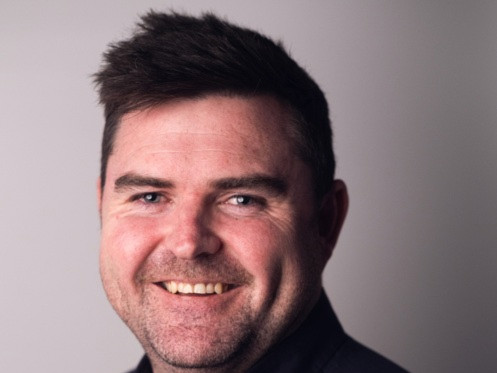
CEO at SolarAfrica, David McDonald.
The 2026 State of the Nation Address (SONA) saw President Cyril Ramaphosa shifting the conversation from surviving blackouts to building a sustainable power system.
In response, David McDonald, CEO at SolarAfrica, notes that, while the immediate crisis has cooled, the real work is just beginning.
“The real test now is whether structural reform is implemented at the pace the country needs to deliver real long-term energy security,” he said.
The focal point of the government’s power plan is to establish a fully independent state-owned transmission entity.
“The restructuring of Eskom and the establishment of a fully independent state-owned transmission entity – which will own and control transmission assets and operate the electricity market – is a critical step,” David added.
However, sustainability isn’t just about carbon; it’s about cost.
“The President was right to say that electricity used to be cheap – but, due to past state capture, mismanagement and years of underinvestment, it is no longer. In fact, to add salt to the wound, NERSA has just confirmed that tariff adjustments will be higher than initially anticipated, with a 5.36% increase effectively rising to 8.76% following calculation corrections,” David said.
“For commercial and industrial users, cost certainty is critical. Businesses need predictability if they are to invest and grow,” he added.
If the 2026 SONA is anything to go by, predictability is also on the government’s policy agenda. The outcome will – as always – depend on the execution of these plans.
“The target of more than 40% renewable supply by 2030 is encouraging. If transmission reform and grid expansion keep pace with generation, South Africa can restore competitiveness and build a more resilient, affordable energy system,” David concluded.
 Subscribe to ESG Global newsletter